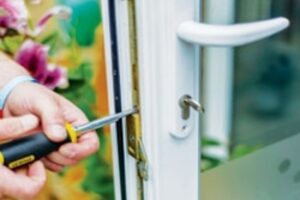
This Is The Advanced Guide To Interior Door Locks Replacement
Interior Door Locks Replacement: A Comprehensive Guide
Interior door locks serve more than simply a functional purpose— they are important for ensuring personal privacy and security in numerous spaces within a home. In time, locks may become ineffective or completely fail. Whether keypad door locks to use and tear or outdated style, changing these locks is essential and can boost both security and visual appeals. This short article strolls you through the procedure of interior door lock replacement, displaying essential aspects to think about, and resolving frequently asked concerns.
Why Replace Interior Door Locks?
Changing interior door locks can be crucial for a number of reasons:
- Security: Old or damaged locks can be easily selected or broken, compromising the security of your home.
- Personal privacy: Faulty locks may not supply the necessary personal privacy, specifically in bed rooms and restrooms.
- Visual Appeal: New locks can update the look of your doors and home overall.
- Performance: Worn locks might no longer work properly, causing frustration.
Kinds Of Interior Door Locks
Before considering a replacement, it's necessary to comprehend the types of interior door locks available:
- Knob Locks: These are the most typical type and are simple to install and utilize.
- Lever Handle Locks: Often seen in commercial spaces, these locks are accessible for all ages and capabilities.
- Deadbolts: While more commonly utilized on exterior doors, they can likewise provide extra security for interior doors.
- Privacy Locks: These are ideal for bathrooms and bed rooms, enabling locking from the within just.
- Electronic Locks: Modern locks that use keypads or smart gadgets for higher security and convenience.
Table 1: Comparison of Interior Door Locks
Lock Type
Security Level
Ease of Installation
Cost Range
Perfect Location
Knob Locks
Moderate
Easy
₤ 10 – ₤ 50
Main rooms, workplaces
Lever Handle Locks
Moderate
Moderate
₤ 15 – ₤ 70
Hallways, commercial
Deadbolts
High
Moderate
₤ 25 – ₤ 100
Bedrooms, restrooms
Privacy Locks
Low to Moderate
Easy
₤ 10 – ₤ 40
Bathrooms, bedrooms
Electronic Locks
High
Complex
₤ 50 – ₤ 300
Houses, workplaces, hotels
Actions for Replacing an Interior Door Lock
Replacing an interior door lock may appear challenging, but it is a simple process if approached systematically. Here's a detailed guide:
Tools and Materials Needed:
- New lockset
- Screwdriver (flathead and Phillips)
- Tape step
- Hammer
- Sculpt (if necessary)
- Level
Steps:
Remove the Existing Lock:
- Use a screwdriver to eliminate the screws from the existing lock faceplate.
- Pull the door handle and the lock cylinder out from the door.
Step the Door:
- Before acquiring a new lock, determine the density of the door, the range from the edge of the door to the center of the knob hole, and the range from the top of the door to the center of the lock.
Set Up the New Lock:
- Follow the manufacturer's directions particular to the new lockset.
- Place the new latch into the door's edge; you might require to change with a sculpt to ensure a correct fit.
- Attach the exterior handle, ensuring it aligns effectively with the interior handle.
Check the Lock:
- Before completing the installation, test the lock for smooth operation.
Finishing Touches:
- Once verified, tighten all screws and use any decorative plates that might feature your new lock.
Tips for Successful Lock Replacement:
- Always wear safety goggles to safeguard your eyes from dust and particles.
- Guarantee that the new lock works with the existing hole sizes to prevent unneeded modifications.
- If you're unknown with lock replacement, seek advice from an expert.
Frequently Asked Questions About Interior Door Locks Replacement
Q1: How typically should I replace interior door locks?
A1: It's advisable to inspect and potentially change your interior door locks every 5 to 7 years, or quicker if you experience any problems.
Q2: Can I replace the locks myself, or should I employ an expert?
A2: Many property owners can replace locks themselves, however if you're uncertain about the process or encounter issues, working with a locksmith is prudent.
Q3: How do I select the ideal kind of lock for my requirements?
A3: Consider aspects like the level of security desired, ease of gain access to, and door use before choosing a lock type.
Q4: Are electronic locks more secure than conventional locks?
A4: Generally, electronic locks provide higher security features, such as keyless entry and anti-picking innovation, however they also require power and can be more complicated to set up.
Q5: What should I do if the new lock does not fit properly?
A5: If the new lock does not fit, you may require to adjust the holes with a chisel or speak with an expert for help.
Replacing interior door locks is not just a matter of security and personal privacy however also of improving the total visual appeal of your home. Comprehending the types, tools required, and the step-by-step processes involved can empower house owners to perform the replacement effectively. Whether selecting an easy knob lock or a modern electronic option, guaranteeing the locks are functional and secure is basic for any family.